Growth & Profit,
Guaranteed.
We help SaaS & Tech brands as their outsourced growth team to scale lead generation & profitable customer acquisition.

we’re a HubSpot Diamond Partner
INC.
5000
we’re an Inc.5000 brand
$100M
directly attributable client revenue growth
Here’s How We Can Help.

Go-To-Market Strategy
We create your Go-To-Market Strategy using our proven, growth formula to differentiate you from the crowd.

Growth Websites
Forget low-converting websites. Our outsourced growth team transforms your website into a growth funnel as the foundation of your marketing.

Growth Marketing
Once you’ve got the foundation for growth, now we add in more fuel. Drive 10X lead gen with lean, growth marketing methodologies.

Conversion Rate Optimization
Find out how HubSpot, Amazon, Apple, Slack, and other high growth companies get peak performance from their website.
.jpg?width=1460&height=1064&name=gallery555%20(1).jpg)









Struggling with Growth? Start with Step 1.
Most companies struggle to properly diagnose and fix the core problems holding them back. Let us show you the #1 challenge B2B companies face and our framework for fixing it.
See What High Growth Companies do Differently.
To achieve massive growth, you need more than just new leads - you need a clear-cut formula for growth and a proven way to implement it.
It’s Time to Stop Gambling on Growth.
Instead, hire a lean, outsourced growth team that guarantees results and get ready for a massive growth shift.
UPCOMING WEBINAR
How To Plan, Budget & Accelerate Growth.
Wednesday May 8 @ 3:00 PM EST, we'll help you identify what your target buyers care about most so you see high engagement and conversion on your website.










.svg)


.svg)


































.png?width=212&height=101&name=image%2071%20(1).png)


.png?width=413&height=68&name=62799b4e4e899504ea0f25ad_Steelblox%20Logo%20White(1).png)





“I've become a big fan of Lean Labs. They are super easy to work with. They totally get the world I'm in, as it relates to marketing, B2B and SaaS. I couldn't recommend them enough. Especially if you're looking for somebody with deep expertise in the world of HubSpot. Lean Labs have been amazing."
Dave Gerhardt, Exit Five



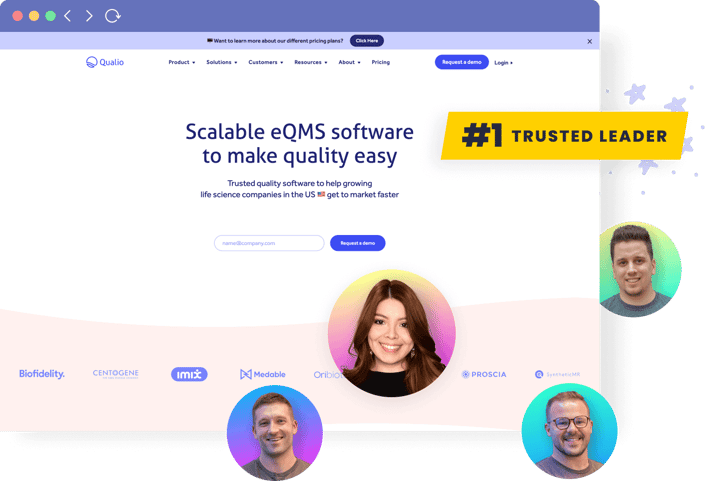
Partnering with Lean Labs led to over 740% organic growth from 2018 - 2020, with significant quarter-over-quarter increases. Raising $11M in funding during the pandemic, they've shown their extensive capability beyond just marketing. They've been an integral marketing team, helping us rebuild our approach from the ground up and redefining what marketing should and could be. Their impressive work has made us incredible fans.
Robert Fenton, Qualio

“We have gotten great reactions from people that saw the site for the first time. They were WOW’d and interested to learn more. The team at Lean Labs were pleasant to work with, and super responsive to feedback. It was a really fun, great time working with Lean Labs. We could not have been any happier with the end result, and I can't wait to work with them again”
Angela DeFranco, HubSpot



"If I didn't have Lean Labs, I would need a full time team of 20 people to do what they did for us. Working with Lean Labs we increased website traffic by more than 500% in less than 2 years, ranking 1st in organic search results, and increased lead conversion by 700%. Everything that they do is always clearly linked to our ROI, so nothing ever feels like a waste of time or money, you'll always see results."
Ashleigh Harris, RocketSpace